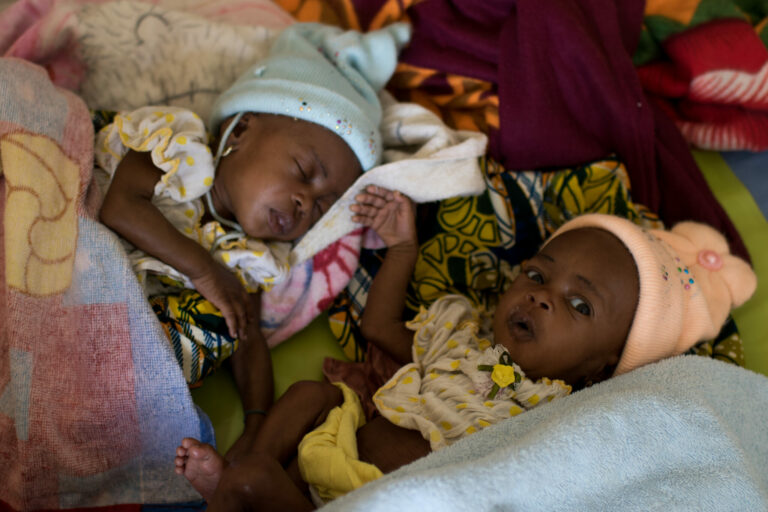

Photo Credit: International Rescue Committee Nigeria, 2017
Recent data underscores a sobering reality: countries grappling with humanitarian crises shoulder a significant burden of global maternal and newborn mortality rates, necessitating urgent, targeted interventions in these contexts. To unpack the intricate dynamics of maternal and newborn health (MNH) prioritization amidst crisis and conflict, the EQUAL research consortium, funded by UK International Development, embarked on a series of political economy analyses in Somalia, South Sudan, Nigeria, and the Democratic Republic of Congo (DRC), complemented by a global policy study.
Utilizing the health policy triangle as a guiding framework, these studies examined the interplay of political, economic, and health system factors shaping MNH prioritization in each context. During a recent webinar co-hosted by the EQUAL research consortium, the UK Foreign, Commonwealth and Development Office (FCDO), and the Interagency Working Group on Reproductive Health in Crises (IAWG), researchers from each context shared key insights from their respective studies.
A recurring theme emerged: while MNH is considered a priority issue with robust policy frameworks and initiatives in place, implementation is impeded by a number of factors including resource constraints, health workforce shortages, and competing priorities. In each setting, the role of donors and international partners in agenda-setting and financing raises concerns about MNH programs sustainability.
Throughout the webinar, speakers shed light on the multifaceted challenges created by the dynamics of crisis and fragility. From safety and security risks faced by health workers to the destruction of health infrastructure and the logistical challenges of accessibility, each context experiences distinct obstacles to effective MNH service delivery. As we navigate these complexities, it is evident that addressing MNH in conflict-affected regions demands tailored, context-specific strategies and concerted efforts to mobilize resources and support from both local and global stakeholders.
Policy briefs summarizing the findings and recommendations from each study offer actionable insights for policymakers, practitioners, and stakeholders alike. Additionally, a recording of the research dissemination webinar provides a deeper dive into the study findings with reflections from each study team.
The Policy Briefs can be found here: