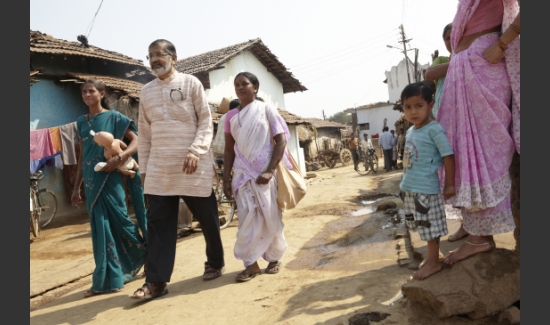
1_RS29799_Dr Bang20035Dr Bang visits mothers and their babies in Bodli village in Maharastra, India. Community health-workers Anjana Uikey (right) and Sangita Lonbale have been trained by Dr. Bang, and specialize in neonatal care.
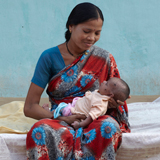
RS29803_Dr Bang20153Meena Dhit and her newborn baby in their home in Bodli village, Maharastra. Meena delivered her second child – a daughter – at home with the help of health visitors. "It was very well done, these women handled it so well,” says Meena. “There is a lot of difference from the old days. Now I feel there is the support for young mothers that my mother did not have. There is someone to take care of me. I have more confidence now and less to worry about."
10_RS29828_Dr Bang40088Community Health-worker Maya Adunutalwar during a home visit in her village of Rajgattachak in Maharastra, India. Here she performs health-checks on Shalu Mongarkar's 20 day-old baby.
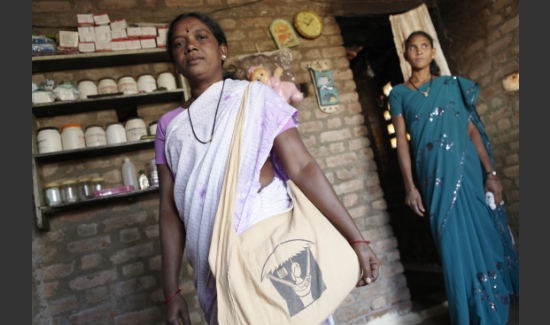
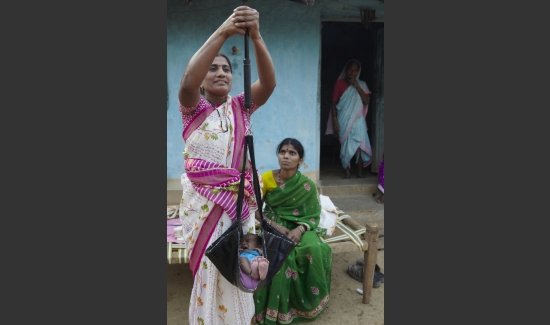
13_RS29816_Dr Bang30177The first community health worker trained by Dr Bang, Anjana Uikey (foreground) accompanied by the latest trained, Sangita Lonbale. The medical kits used during home visits consist of a thermometer, a bar of soap, cotton wool, and a sling used to weigh the baby.
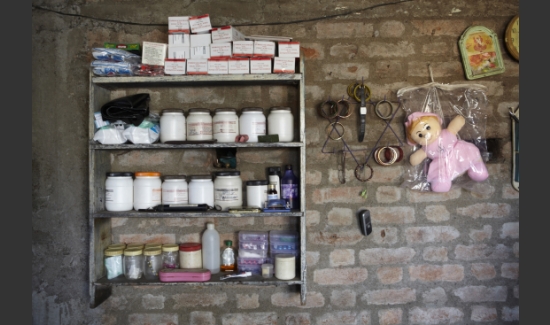
8_RS29815_Dr Bang30172The medicine cabinet used by the community health workers known as "Arogyadoots."
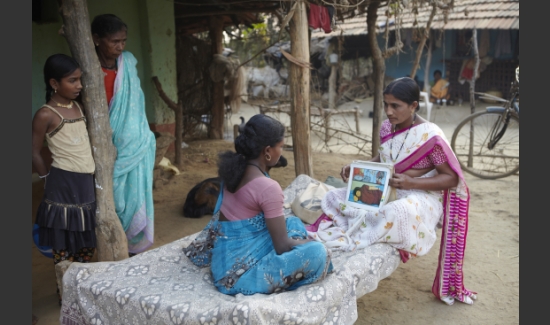
11_RS29831_Dr Bang40119Community Health-worker Maya Adunutalwar advising expectant mother Shushma Mattey, who is to have her first child.
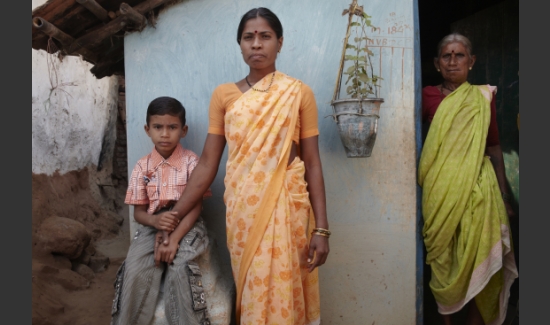
RS29819_Dr Bang30284Sourav, six, with his mother Chhaya (centre) and grandmother (right). Sourav's life was saved at birth by community health-worker Anjana Uikey when he had asphyxia.
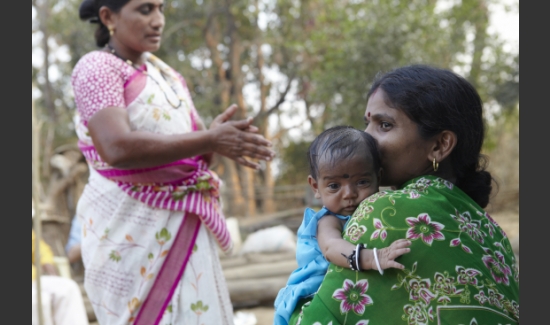
RS29825_Dr Bang40079Community health worker Maya Adunutalwar performs health-checks on Shalu Mongarkar's 20 day-old baby during a home visit in her village of Rajgattachak.
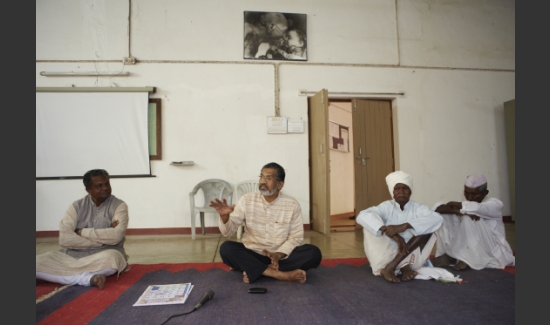
RS29821_Dr Bang40016Dr Bang holds a meeting with tribal elders discussing the village’s health concerns. Above them, a portrait of Ghandi, who's principles Dr Bang follows closely. "Gandhi had a vision of how society should be, of how India should be self-ruled. But it was not only India that should be allowed to self-rule, it was every human being as well… I took inspiration from that and asked myself, 'How can individuals and communities become autonomous and independent with their own healthcare?'" – Dr Bang, Gadchiroli district, Maharastra, India.
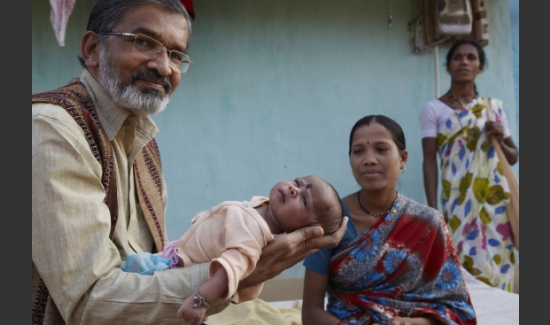
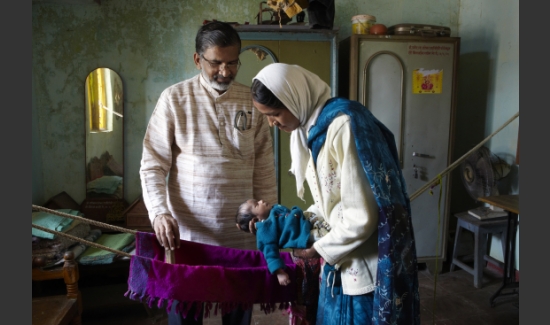
RS29844_Dr Bang60143Dr Bang, along with community health-worker Shoba Meshram (whom he trained), visits the home of Sangita Sunimekelwar and her newborn son. Navegon village, Maharastra, India.
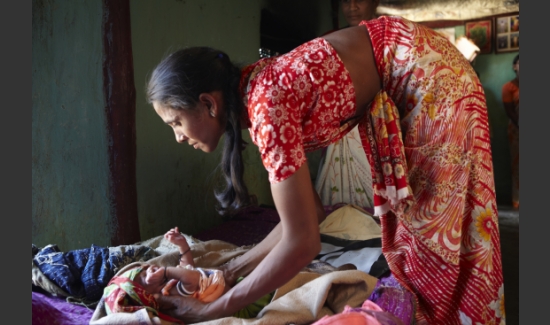
RS29835_Dr Bang50094Dr Bang's newest recruit, Community health-worker Sangita Lonbale, gives advice and performs health checks on new mother Vaishali Ade and her 13 day-old baby boy. Dibana village, Maharastra, India.
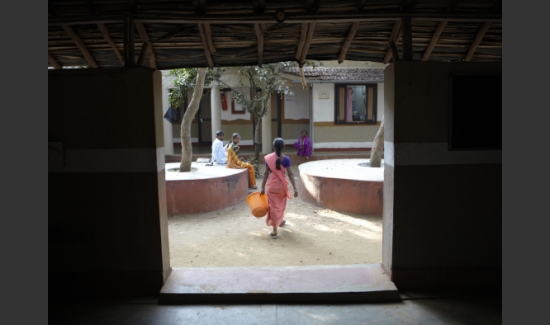
14_RS29812_Dr Bang30019The headquarters and research campus of SEARCH, which includes living quarters for doctors and scientists, as well as a clinic, patients wards, pharmacy and a laboratory.
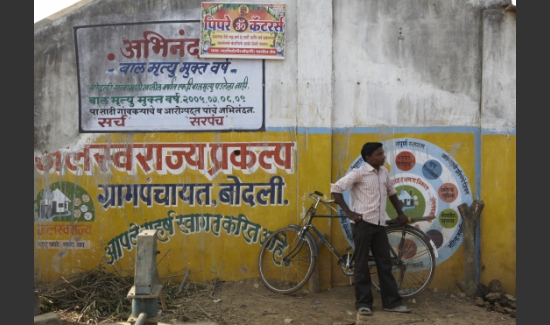
7_RS29813_Dr Bang30119A mural at the site of the entry to Bodli village says - "Congratulations on no child deaths 2006, 2007, 2008, and 2009."
“Community health workers literally become mobile newborn and childcare units. They can go house to house and save those children.” — Dr. Bang
Doctor Abhay Bang, has for years implemented a simple scheme he pioneered in the remote eastern district of Gadchiroli, India, where he trained local women in basic midwife skills and knowledge. The Gadchiroli trial reduced neonatal mortality by 70% and the infant mortality rate by 57% from 121 per 1,000 babies in 1988 to just 30 deaths per 1,000 babies in 2007. In 1988, the death rate here among children who developed pneumonia was 13%. With Dr Bang’s intervention, it has come down to 0.8%.
© Photos by Andy Hall for Save the Children
- Learn more: Visit SEARCH on HNN